Ever wondered whether you’d have a better chance playing Lotto or EuroMillions? With both draws offering headline-grabbing jackpots and smaller prizes, choosing between them can feel tricky.
This article compares the odds, prize tiers and scheduling of each game so you can see how they differ and which might suit your preferences.
Read on to learn how the structure of each draw affects your chances and what that means in practice.
Understanding the Basics: Lotto vs EuroMillions
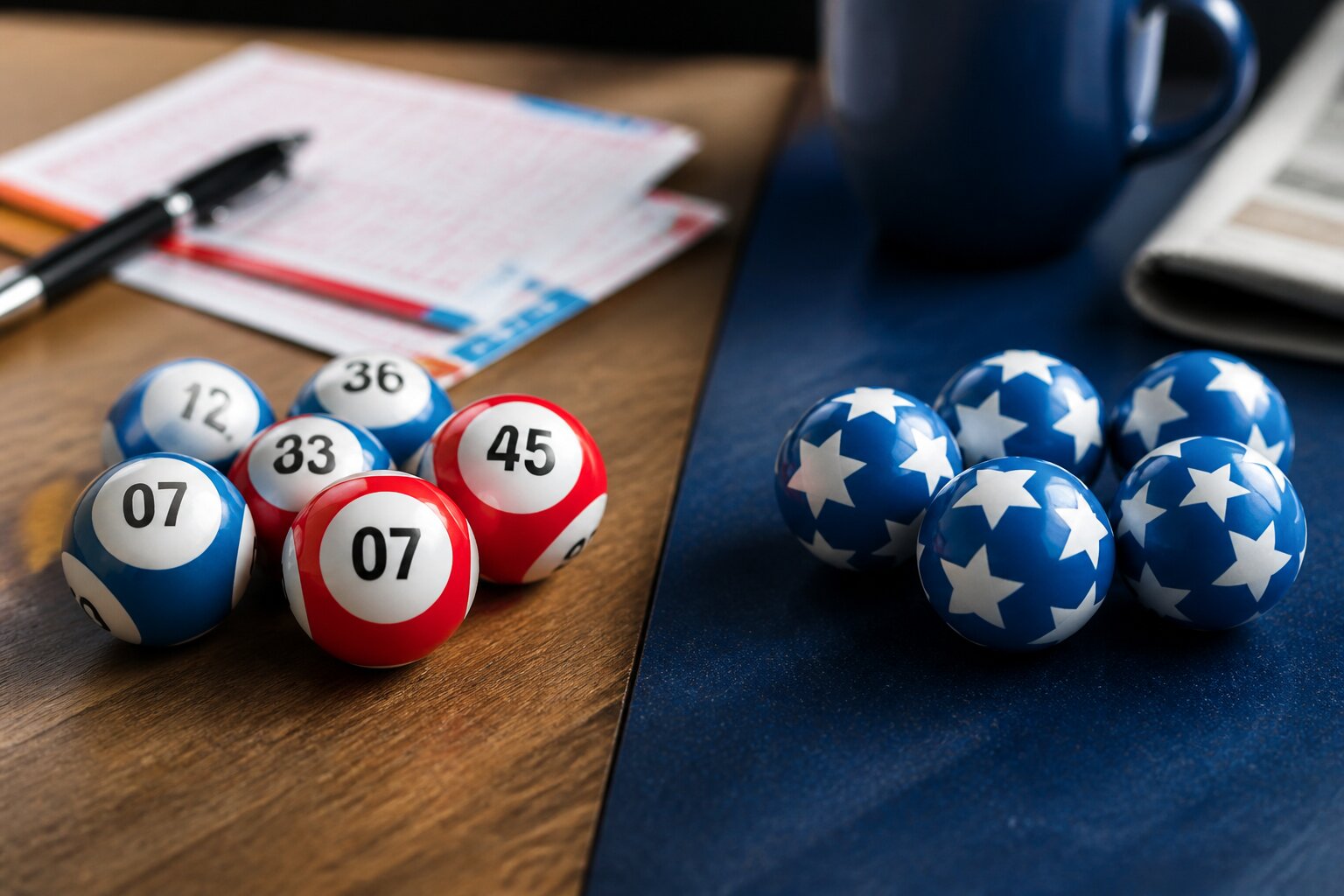
Lotto and EuroMillions are two widely played national draws with different formats. Lotto asks players to pick six numbers from 1 to 59; each draw produces six main numbers plus a Bonus Ball, and matching all six main numbers wins the jackpot. EuroMillions uses five main numbers from 1 to 50 plus two Lucky Stars from 1 to 12; matching all seven numbers is needed for the jackpot.
Both games are regulated by the UK Gambling Commission and operate with transparent rules and published odds. They also offer extra features such as raffle elements or additional prize tiers that change how prizes are divided when there are multiple winners.
Understanding these basic differences — how many numbers you must match and the size of each number pool — makes the contrast in odds clearer. Next, we’ll look at how those differences translate into actual chances of winning.
How Does the Odds of Winning Differ Between Lotto and EuroMillions?
The odds reflect the mathematical structure of each game: more numbers and extra drawn balls mean more possible combinations and therefore longer odds for the top prize.
For Lotto, the probability of matching all six main numbers is 1 in 45,057,474. The overall chance of winning any prize on a Lotto line is about 1 in 9.3, since several lower tiers award fixed or variable payouts depending on entries and winners.
EuroMillions has tougher top-tier odds because of the two Lucky Stars and slightly different number ranges. The jackpot chance is 1 in 139,838,160, while the overall chance of winning any prize is roughly 1 in 13 due to its larger number of prize tiers.
These figures apply to each individual line you play; buying multiple lines increases the number of entries but does not change the probability attached to each single line. With the odds explained, the next section shows how those probabilities map to the specific prize tiers and typical payouts.
What Are the Different Prize Tiers and Payouts?
Prizes in both games depend on how many numbers on a ticket match the numbers drawn. Lower tiers often have fixed amounts, while higher tiers vary according to ticket sales and how many winners share the pool. The structure of tiers determines both the likelihood of winning something and the typical size of those wins.
Lotto Prize Breakdown
Lotto offers six main prize tiers and a mix of fixed and shared prizes. The tiers and their odds are:
Match 6 numbers (Jackpot): Odds of 1 in 45,057,474
Match 5 numbers + Bonus Ball: Odds of 1 in 7,509,579
Match 5 numbers: Odds of 1 in 144,415
Match 4 numbers: Odds of 1 in 2,180
Match 3 numbers: Odds of 1 in 97
Match 2 numbers: Odds of 1 in 10.3 (typically a free Lucky Dip for a future draw)
Fixed prizes normally apply for lower tiers (for example, small fixed amounts for three or four matches), while higher-tier sums depend on the size of the prize fund for that draw and how many winners divide it.
EuroMillions Prize Breakdown
EuroMillions uses 13 prize tiers, with detailed odds for each level reflecting the presence of Lucky Stars. Key tiers include:
Match 5 numbers + 2 Lucky Stars (Jackpot): Odds of 1 in 139,838,160
Match 5 numbers + 1 Lucky Star: Odds of 1 in 6,991,908
Match 5 numbers: Odds of 1 in 3,107,515
Match 4 numbers + 2 Lucky Stars: Odds of 1 in 621,503
Match 4 numbers + 1 Lucky Star: Odds of 1 in 31,076
Match 4 numbers: Odds of 1 in 13,812
plus additional lower tiers down to matching two main numbers.
Higher-tier awards are variable and depend on ticket sales, rollovers and how many winners share each prize. Low-tier payouts are often fixed. With the prize structures laid out, understanding each game’s cost and schedule helps put those opportunities into context.
Ticket Prices and Draw Schedules Compared
A clear view of ticket cost and when draws happen makes it easier to plan play that fits a personal budget. Lotto lines are priced at £2 and draw twice weekly on Wednesday and Saturday evenings. EuroMillions lines cost £2.50 and draw on Tuesday and Friday evenings. Knowing the specific days and times helps with scheduling purchases and avoids missing a draw you intended to enter.
Both games allow tickets to be bought for multiple upcoming draws in advance, so you can arrange entries over a period without having to buy each time individually. Subscriptions or multi-draw purchase options can make it simpler to stick to a planned spend, but it is still important to review how many draws you are entered into and the total cost before confirming.
Deciding how often to enter and how much to spend is a personal choice; keep expenditures within an affordable limit so participation remains enjoyable. Setting a self-imposed budget and using available tools such as spending limits or time-outs can help maintain control. Remember to play responsibly and never spend money needed for essentials. With practicalities covered, the following section addresses common misunderstandings about how the draws work.
Common Myths About Lottery Odds Debunked
Misconceptions about the draws often stem from a misunderstanding of randomness and probability. One frequent myth is that past results influence future draws; in standard, regulated draws each combination has the same theoretical chance every time, regardless of previous outcomes.
Other claims suggest that particular number patterns, systems or frequency of play can change the mathematical odds. While groups or syndicates can increase the number of shared entries an individual benefits from, no method alters the probability attached to any single line.
Because the draws are regulated and independently monitored, outcomes are intended to be random and unbiased. If you’re weighing which game to try, consider the relative odds and prize structures rather than relying on informal systems. The next section will help you match those facts to your own preferences and aims.
Choosing the Right Game: Which Is Best for You?
Picking between the two games depends on what matters most: the size of potential jackpots, the probability of winning any prize, ticket cost, or the rhythm of the draw days. EuroMillions offers larger maximum jackpots with longer odds, while Lotto presents shorter top-tier odds and a higher overall chance of winning some prize.
Budget and frequency are practical deciding factors. Someone who prefers cheaper lines and slightly better overall odds might favour Lotto; a player prioritising bigger headline jackpots may lean towards EuroMillions and its higher entry price. Whichever you favour, treating play as a form of entertainment and setting limits keeps it manageable.
With that perspective in mind, the closing section draws the main points together so you can make an informed choice.
Final Thoughts: Assessing Your Chances and Making Informed Decisions
Both Lotto and EuroMillions have clearly defined odds and prize structures; neither offers a path to guaranteed financial gain. Understanding the mathematical differences — smaller number pools and fewer drawn balls give relatively shorter odds for Lotto, while EuroMillions’ format produces rarer jackpots — helps set realistic expectations.
Review the prize tiers, consider ticket cost and how often draws run, and decide what balance of jackpot potential versus likelihood of a smaller win suits you. Keep play within an affordable limit, and if you ever feel it’s affecting you negatively, support is available from BeGambleAware.
Taking a measured view lets the draws remain an enjoyable part of leisure time while keeping your finances and wellbeing in check.
**The information provided in this blog is intended for educational purposes and should not be construed as betting advice or a guarantee of success. Always gamble responsibly.