
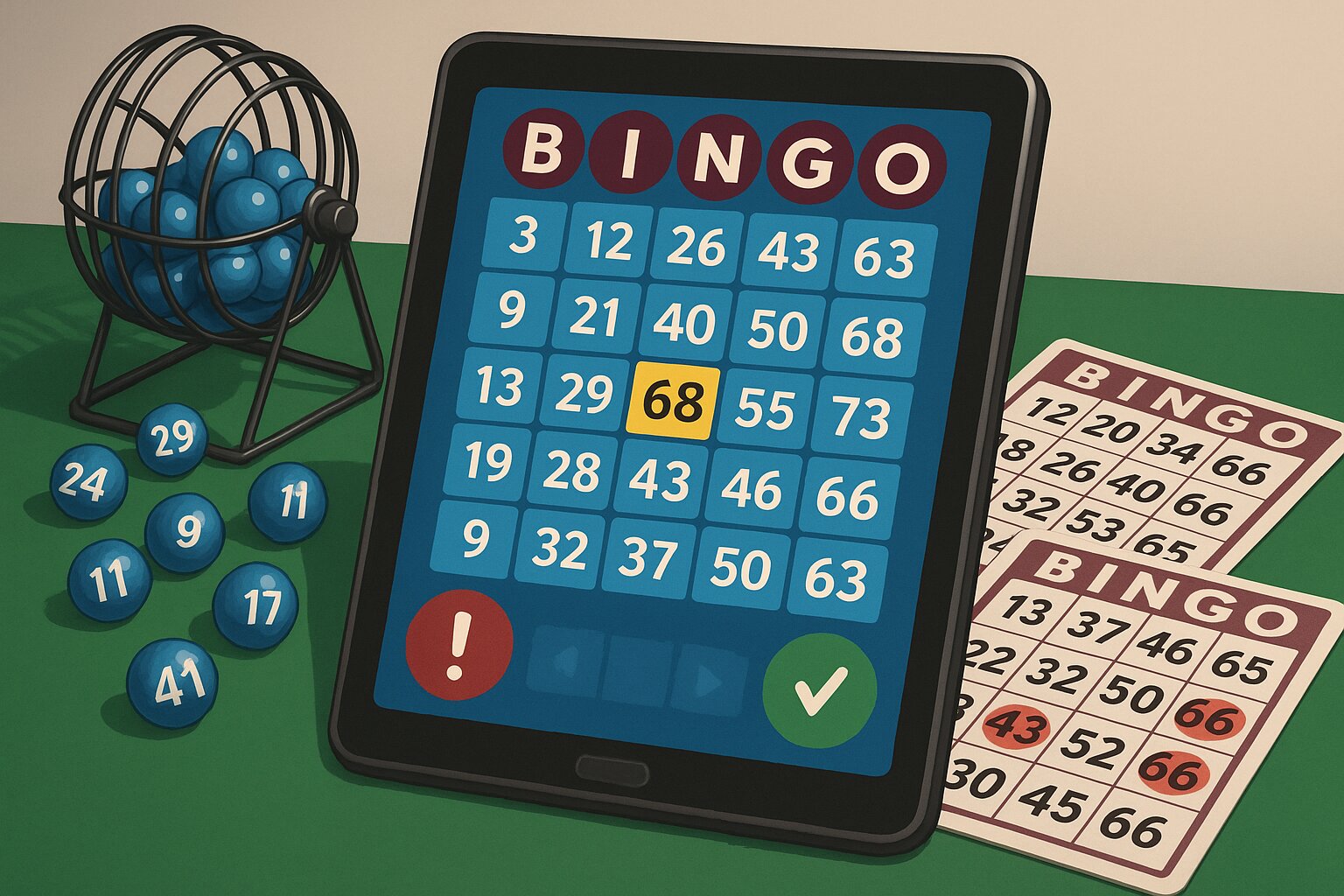
As a licensed UK operator, we hear plenty of questions about how electronic bingo machines work and whether the stories about cheats carry any weight. Rumours spread quickly online, so it helps to separate myth from fact.
This article outlines how machines are built and tested, the security measures in place, and what to do if you suspect a problem. Read on to get clear, practical explanations so you can play with confidence.
Can Electronic Bingo Machines Be Hacked Or Cheated?
Electronic bingo machines are built with security as a priority. Their software and hardware are protected by multiple layers of safeguards designed to prevent tampering, and any attempt to interfere with a machine would be both difficult and illegal.
Independent testing and certification are required before machines enter service, and regular checks continue once they are in operation. In practice, these controls make successful external hacking extremely unlikely, and operators maintain strict procedures to detect and respond to irregularities.
There are legal consequences for anyone attempting to cheat, and operators work with regulators and experts to investigate suspected incidents. The systems that govern play are intended to provide a level playing field for everyone.
To understand why those protections work, it helps next to look at the common myths that often misrepresent how machines operate.
Common Myths About Electronic Bingo Machine Cheats
Many of the stories about cheats rest on misunderstandings of how the games are controlled. One persistent claim is that secret patterns or hidden tricks can guarantee a win. In reality, outcomes are produced in a way that does not allow prediction or manipulation by players.
Other myths suggest that pressing buttons in a certain order, playing at particular times, or relying on perceived streaks will influence results. Each round is independent, so previous rounds do not alter the behaviour of the system. These ideas can feel convincing, but they do not match how the underlying technology functions.
If a particular technique ever seemed to work, it is far more likely to be coincidence or misremembering than evidence of a hidden method. Clear explanations of the systems and oversight that enforce fairness follow, which should help put these misconceptions to rest.
How Do Electronic Bingo Machines Ensure Fairness?
Fairness is achieved through a combination of technical design, independent verification, and ongoing oversight. At the core is the random number generator, a software component that selects numbers in a way intended to be statistically unpredictable and unbiased.
Before any game goes live, independent testing laboratories examine the generator and the overall system to confirm it behaves within accepted statistical parameters. After deployment, routine audits and monitoring check for anomalies and ensure continued compliance with regulatory standards.
Operators also implement access controls, logging, and secure update procedures so that only authorised personnel can change system components. Together, these measures aim to ensure every player faces the same conditions and that outcomes cannot be steered in favour of any individual.
To see how those technical checks are applied in practice, it helps to consider the manufacturers and the role independent testing plays.
Security Measures Used In Electronic Bingo Machines
Security covers both protecting player data and keeping the game software intact. Machines use encrypted connections to protect communications and prevent unauthorised access to game or account information.
Hardware is fitted with tamper-evident features and secure storage for critical components. On the software side, cryptographic signatures and controlled update mechanisms prevent unauthorised code from being installed. Audit logs record activity so anomalies can be investigated.
Independent audits probe these systems on a scheduled basis and after any significant change. Together with operator controls and regulatory oversight, this layered approach reduces the chance of manipulation and helps maintain player trust.
With these protections in mind, you may wonder exactly how randomness is tested and validated. The next section explains that process in more detail.
Are Electronic Bingo Machines Truly Random?
Randomness is central to fairness, and it is treated as a measurable property rather than an assumption. Random number generators are evaluated using statistical tests that assess uniformity and independence across large numbers of outcomes. These tests look for bias or patterns that would suggest a flaw.
Manufacturers provide technical documentation and test results to independent test houses, which apply established statistical suites to confirm the generator performs as required. Once in operation, ongoing monitoring checks keep an eye on metrics that might indicate a drift from expected behaviour.
If tests flag an issue, the machine or software can be removed from service until the cause is resolved. This testing regime, along with secure change control and auditing, is intended to make predictable outcomes highly improbable.
Building further on verification, the regulatory framework sets out the standards operators must meet and the consequences for non-compliance.
How Manufacturers Test Fairness And Security
Manufacturers follow a formal process before a machine is approved for use. This includes a technical review of the RNG, code inspection, and stress testing to see how the system behaves under normal and peak conditions. Independent test houses replicate play and apply statistical analysis to confirm there is no detectable bias.
Documentation from these tests is supplied to regulators, and manufacturers typically maintain records of firmware versions, test results, and the security measures implemented. When updates are made, the same scrutiny applies so that any change is validated before being introduced to customers.
Ongoing reporting and periodic re-certification help ensure that fairness and security are sustained over time rather than being a one-off check.
Regulation provides an extra layer of assurance to complement technical testing, and the next section outlines how oversight works in practice.
Legal And Regulatory Oversight Of Electronic Bingo Machines
Regulatory bodies set the standards machines must meet and require operators to demonstrate compliance through certification and audits. This oversight covers technical fairness, security measures, player protection, and the integrity of systems used to manage play.
Operators are subject to routine inspections and must keep records that allow regulators to review game behaviour and incident handling. When issues are identified, regulators can require corrective action and, in serious cases, impose sanctions to protect players and the wider public interest.
The regulatory framework aims to make sure that machines remain compliant throughout their lifecycle and that players have channels to raise concerns and see them addressed independently.
If a player believes something is wrong with a machine, there are established routes for reporting and for independent review of the matter.
What To Do If You Suspect A Faulty Or Unfair Machine?
If a player notices behaviour that seems out of the ordinary, operators investigate the concern promptly using the same logs and monitoring systems described earlier. Reports typically lead to a review of the relevant game logs, machine status, and any recent changes to software or hardware.
Customers can contact operator support to describe what happened and provide relevant details such as the time, game instance, and observed behaviour. If the operator’s response does not resolve the matter to the player’s satisfaction, there are independent dispute resolution services and regulatory complaint procedures that can be used to pursue the issue further.
Pausing play while the situation is reviewed is a sensible course when uncertainty arises. Support services and impartial adjudication exist to help ensure any valid faults are corrected and that outcomes remain fair for everyone.
If you need assistance, our customer team is available to explain the steps we take and to help with any concerns you may have.
Final statement: electronic bingo systems combine technical safeguards, independent testing, and regulatory oversight to provide a controlled, monitored environment where fairness and security are continuously maintained.
**The information provided in this blog is intended for educational purposes and should not be construed as betting advice or a guarantee of success. Always gamble responsibly.