
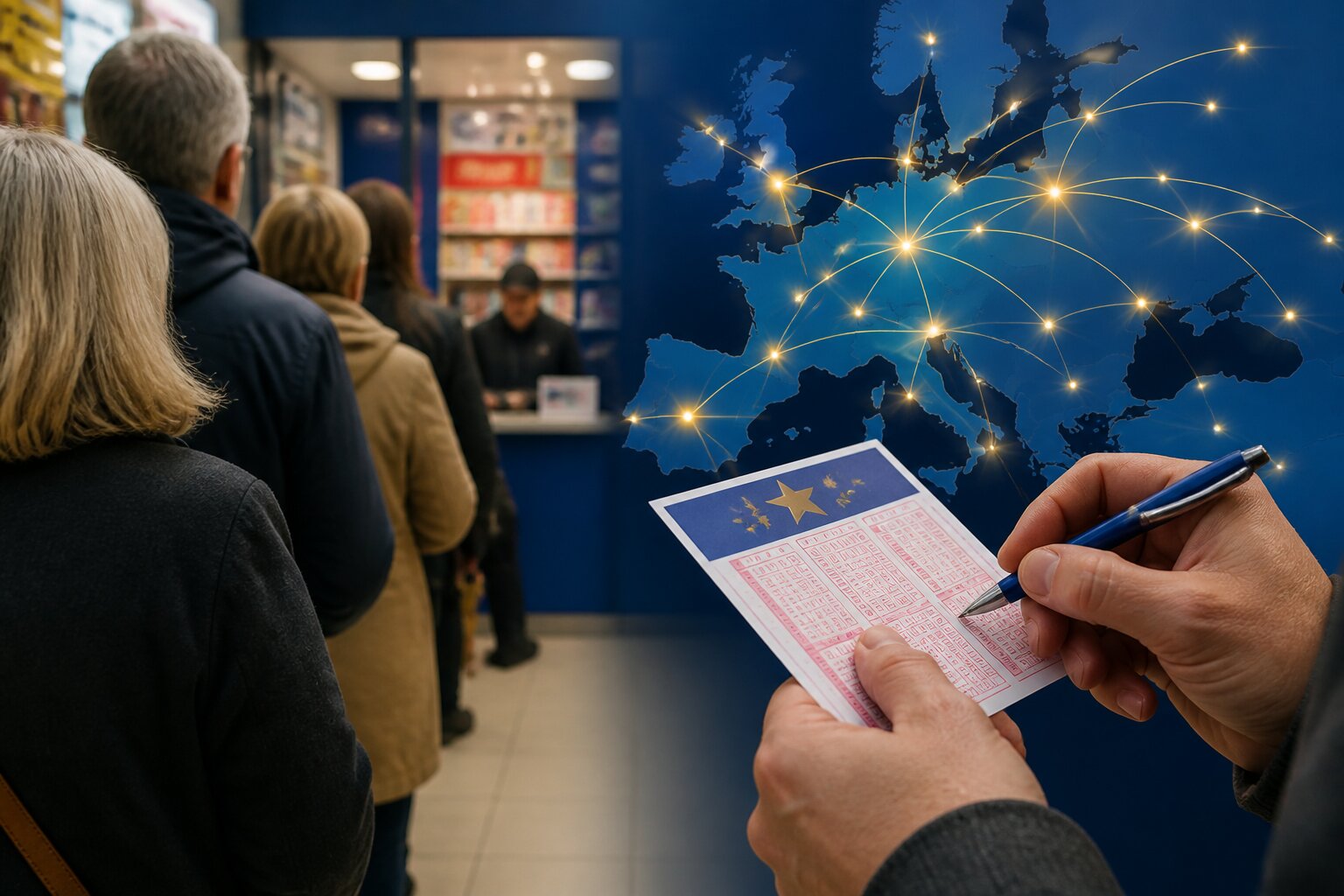
Ever wondered how many people enter EuroMillions each week? With giant prizes and regular draws across several countries, it’s one of Europe’s most watched lottery events.
This article walks through participation figures, who plays, what drives ticket sales and how the UK compares with its European neighbours. Read on for clear, sourced insights that explain not just the numbers but the patterns behind them.
What Is EuroMillions and How Does It Work?
EuroMillions is a transnational lottery played across multiple European countries. Draws are held twice weekly and tickets require choosing five main numbers from 1 to 50 and two additional numbers from 1 to 12. Matching every number wins the jackpot; there are 13 prize tiers so many entrants win smaller payments even without a top prize.
The odds of winning the jackpot are long: one in 139,838,160. Lower-tier prizes have much better odds, but no outcome is guaranteed. Tickets can be bought online or at retail outlets. Entry is restricted to adults aged 18 and over under UK rules, and operators and regulators provide information to help players manage their spending responsibly. Understanding how the game is structured helps explain why sales rise at certain times and how participation statistics are formed — the next section looks at how popular EuroMillions is in the UK.
EuroMillions Participation: How Popular Is It in the UK?
EuroMillions is among the most commonly played lottery games in the UK, with millions of tickets sold for many draws and clear spikes in demand when the jackpot grows large. Market research shows that a substantial share of adults play National Lottery games, which include EuroMillions, over a 12‑month period.
Sales patterns show regular peaks during high jackpots or special prize events, and although shop-based purchases remain significant, online sales account for an increasing proportion of entries. This mix of retail and digital channels keeps the game accessible to a wide range of players while making participation levels easier to track through published sales figures and regulator reports. With that context in mind, the next section explores who those players typically are.
Who Is Playing EuroMillions? Demographics and Trends
EuroMillions attracts a broad cross-section of adults across the UK, with participation spread by age, location and purchase method. Entry is open only to those aged 18 and over, and data indicates higher engagement in some middle-age bands. Overall participation patterns mirror wider social and economic trends rather than pointing to a single defining profile of a player.
Age Groups and Typical Players
Studies show the strongest participation among adults aged 35 to 64, though players in their late twenties and early thirties are increasingly present as online sales grow. While the middle-age bands remain prominent, the rise of digital platforms has made it easier for younger adults to take part, changing the age mix over time.
There is no single profile that defines a EuroMillions player; instead, the audience is varied, from occasional ticket buyers to those who enter more frequently or through group plays. Behaviour ranges from one-off purchases for a particular draw to regular, small-stake entries, and this variety underlines that people take part for different reasons and with differing degrees of commitment.
Regional Differences Across the UK
Play is distributed across England, Scotland, Wales and Northern Ireland. Urban areas often register higher ticket sales simply because of population density, while patterns of purchase — online versus in-store — can differ between regions. In some locations retail sales remain important, whereas in others a larger share of entries comes via apps and websites.
These geographic nuances reflect wider retail and digital behaviours rather than any major concentration of interest in one part of the country. Local socioeconomic factors and access to online services can influence how and where people choose to buy tickets. Knowing who plays helps explain the factors that push people to buy tickets, which we examine next.
What Influences EuroMillions Ticket Sales?
Ticket sales rise and fall for a handful of predictable reasons, and understanding those drivers clarifies why some draws attract many more entries than others. Patterns in demand are shaped by both predictable cycles and short-term events, so looking at these factors together gives a clearer picture of how participation changes over time. Even during busy periods, the emphasis from regulators and operators remains on helping players keep control of their spending.
Impact of Jackpot Size on Participation
Jackpot size is the clearest sales driver. When the top prize grows after several draws without a winner, public attention increases and more people buy tickets. This effect is visible in media coverage and social chatter, which can amplify interest in the game beyond habitual players.
Reports consistently show that big jackpots correlate with marked rises in sales, though the underlying odds for each entry do not change. Operators and regulators stress that larger jackpots do not alter the chance of winning for any single ticket, and they continue to promote advice on responsible play alongside publicity for big prizes.
Promotional Events and Rollovers
Special events such as Superdraws and prize-promoting campaigns also prompt elevated interest. These events are designed to create a focus on particular draws and can draw in players who might not otherwise take part. Rollovers, where the jackpot carries over to the next draw, create sustained attention across multiple draws and often bring many casual players into the market for a short period.
These sales spikes are temporary but significant, and they help explain short-term fluctuations in participation figures. Operators typically balance promotional activity with messages about spending limits and the odds of winning, ensuring that marketing does not override responsible gambling considerations. With those drivers in mind, it is useful to compare the UK experience with other European markets.
How Do UK Participation Rates Compare to the Rest of Europe?
The UK is among the larger markets for EuroMillions, reflecting long-established lottery infrastructures and broad national interest. That position is supported by a combination of factors including population size, an established retail network and the availability of online sales channels. Per-capita participation can vary, but the overall volume of tickets sold places the UK near the top among participating nations.
Other participating countries, notably France and Spain, also sell millions of tickets per draw and contribute substantially to total entry numbers. Each market has its own patterns of play shaped by cultural habits, national marketing approaches and the relative attractiveness of national versus transnational lottery brands. These differences help explain why some countries show higher entry counts even when their populations are similar.
Differences between countries usually come down to population size, national lottery promotion and how widely retail outlets are available. Access to online platforms and the ease of purchasing also influence participation, as does the local appetite for games of chance and the prominence of national spend on leisure activities. Economic factors such as disposable income and competing entertainment options will also affect how many people buy tickets.
Regulatory frameworks across participating nations aim for transparency and consistent consumer protections, which supports comparability of participation figures across borders. Rules covering responsible play, prize distribution and reporting standards mean that headline participation numbers are produced under similar expectations of accuracy. Having seen how the UK stacks up against other nations, the next question is whether participation is growing or shrinking over time.
Is EuroMillions Participation Increasing or Declining?
Participation has shifted in recent years rather than following a simple upward or downward path. The long-term picture shows some decline in the number of adults playing compared with the peak years of the early 2010s, yet the trend is uneven. Major jackpots and promotional events still produce short-term surges in ticket purchases, and the ongoing move to online play has stabilised engagement levels even as in-store sales have eased.
Changes in consumer habits, wider entertainment choices and digital adoption all influence these patterns. Regulators and operators continue to monitor trends and publish periodic market reports that track participation over time. The following section clears up common misunderstandings about what the headline numbers actually mean.
Common Myths About EuroMillions Participation Numbers
Several persistent myths distort public perception of participation. One is that only a handful of people enter each draw; in reality, millions of tickets are sold across the participating countries. Another misunderstanding is that fewer players change an individual ticket’s chance; the mechanics of the draw mean each entry faces the same probability regardless of overall sales.
Seasonal or event-related changes in sales do not alter the fairness of the draw, though they do affect how prizes are shared when wins occur. Official publications from operators and regulators provide transparent data to counter misinformation and make the true scale of participation clear. If readers want to check the latest certified numbers, the next section points to where those figures are published.
Where to Find Up-to-Date EuroMillions Participation Stats
Current, trustworthy participation statistics are published by national lottery operators and the gambling regulator. These sources regularly release reports and market analyses detailing ticket sales, demographic patterns and annual trends. For UK-specific figures, the regulator’s market summaries and the national lottery operator’s official publications are the most direct places to look. European-wide data is available through industry associations and the public reporting of each country’s lottery body.
Using these official channels ensures access to verified figures rather than estimates or speculation. With accurate data in hand, readers can better understand participation trends and what they mean for both players and policymakers.
Final statement: EuroMillions remains a major, well-documented lottery with millions of entries across Europe; understanding the drivers behind ticket sales and where to find official statistics helps make sense of its popularity and the patterns that shape each draw.
**The information provided in this blog is intended for educational purposes and should not be construed as betting advice or a guarantee of success. Always gamble responsibly.