
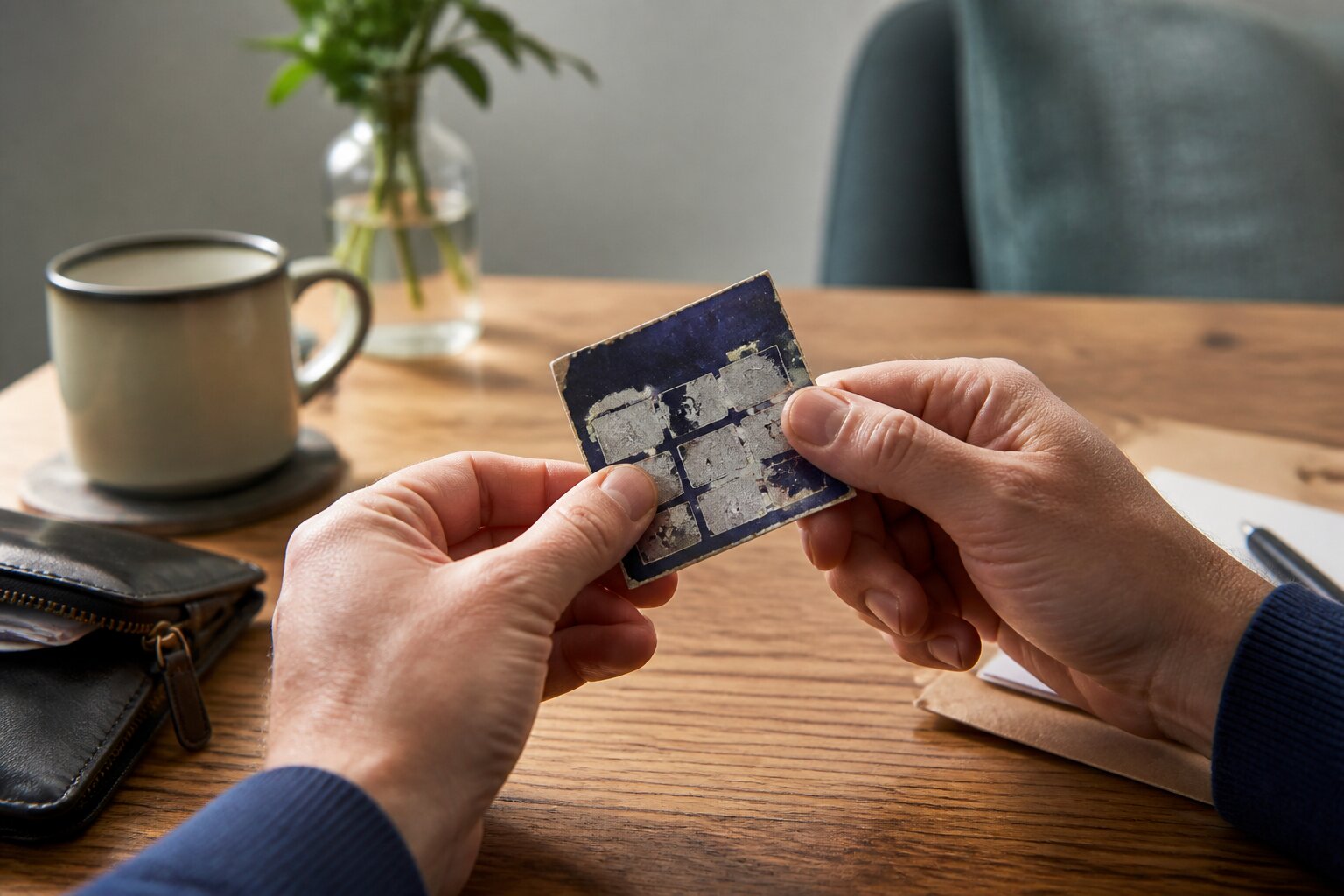
Damaged scratch cards can be frustrating, especially if you’re unsure whether a win is still valid. You might have scratched too far, spilled something by accident, or kept a card folded in your pocket — these things happen, and there are clear steps to take before you decide it is hopeless.
This guide explains when a damaged scratch card can still be claimed, the practical steps to follow, what information you’ll need, how payouts are handled and the rules that apply.
Read on to make sure you don’t miss a legitimate prize and to understand what to expect at every stage.
Can You Claim Prizes on a Damaged Scratch Card?
You can sometimes claim a prize on a damaged scratch card, but eligibility depends on how the damage affects the card’s key features. The most important parts are the game details, serial number and barcode; those are used to verify the ticket against the operator’s records.
Minor damage such as surface creases, small marks or partial fading will often be acceptable if the essential information remains legible. More serious problems — for example, a torn card where serials or security features are missing — are likely to lead to a rejected claim. Every submission is assessed by trained staff who follow formal verification procedures to balance fraud prevention with fair treatment of claimants.
If your card looks salvageable, the next section explains how to tell the difference between acceptable damage and a card that will be treated as void.
Recognising Qualifying Damage Versus Void Cards
Qualifying damage tends to be accidental and leaves the card’s security and identifying marks intact. Examples include a spilled drink that blurs only a non-essential area, a deeper scratch over a non-critical section, or light creasing from being carried in a wallet. In these cases the operator can authenticate the card and examine the win details.
A card is considered void if it has been deliberately altered, extensively torn so that identifying marks are missing, or if the barcode and serial number cannot be read. Attempts to reconstruct or repair a card are not permitted and will lead to refusal. Operators have clear standards for what they will accept, which helps protect both players and the integrity of the game.
If the damage appears to be within the acceptable range, your best approach is to preserve the ticket and follow the formal claim steps outlined next.
Key Steps to Take If Your Scratch Card Is Damaged
Acting carefully and promptly gives the best chance of a successful claim. Handle the card as little as possible to avoid additional damage and keep any proof of purchase safe. Store the ticket somewhere dry and flat until you know the route the operator asks you to take.
Retail staff can sometimes provide initial advice, and for smaller prizes they may be able to assist. For larger claims or where the damage is significant, the operator’s claims department will usually need to examine the physical card. Sending the ticket by recorded delivery is commonly requested so there is a clear chain of custody while the operator conducts their verification checks.
With the card secured, the following section explains the specific information you will be asked to supply.
What Information Do You Need to Provide?
The damaged scratch card itself is the primary piece of evidence. If you have it, include any receipt or proof of purchase to speed up verification. Operators usually require a claim form containing basic personal details and specifics about the ticket, such as the game name and serial number.
You may also be asked for photographic proof of identity, for example a passport or driving licence, to confirm you are the rightful claimant. All information collected is used only for the purposes of checking entitlement and preventing fraud, in line with data protection rules. Once the operator has the card and supporting paperwork, they will assess it and let you know the outcome.
Understanding the documentation helps set expectations about whether a payout is likely and how long checks may take.
Typical Payouts: Can Damaged Cards Still Be Paid Out?
Payouts are possible when verification confirms the ticket is genuine and the win can be established from the remaining information. Each claim is considered on its own merits, and higher-value prizes attract more detailed checks, which can extend processing times. Operators will communicate progress and any additional information they need.
If a card meets all the conditions set out in the game’s terms and the security features are intact, the claimant may receive the full prize. Conversely, if the ticket fails verification or shows signs of tampering, no payment will be made. Operators aim to be fair while maintaining robust safeguards against fraud and must follow regulatory rules when reaching decisions.
Next, learn about the other restrictions and time limits that affect damaged-card claims.
Important Rules and Restrictions to Know
There are firm time limits for claims that vary by game but often require submission within a set number of days from purchase or the game’s closing date. Claims submitted after this window will not be accepted. Eligibility checks also confirm that claimants meet legal requirements such as minimum age and residency where applicable.
Any evidence of deliberate alteration or fraud leads to automatic refusal and may be reported to the appropriate authorities. The operator’s published terms and conditions for each scratch card game set the precise rules you must meet, so it is important to follow their instructions when preparing and submitting a claim.
With these rules in mind, consider what happens if the operator refuses your claim and what options remain.
What Happens If Your Claim Is Rejected?
If a claim is declined, the operator will inform you of the reason. Common grounds for refusal include unreadable barcodes or serial numbers, claims made outside the allowed period, insufficient proof of purchase, or clear signs of tampering. Such decisions are based on documented checks designed to be impartial and transparent.
Many operators offer an internal appeal or review process. An appeal typically involves submitting a written request and any additional evidence you can provide. The operator will reassess the case under their procedures and the regulator’s rules. If an appeal is available, following that process gives your claim a further opportunity for reconsideration.
Below are answers to frequent questions that clarify practical points players often want to know.
Can I still win if my scratch card is damaged?
You may still be eligible to claim if the card’s identifying and security features can be verified by the operator.
What should I do with a badly damaged card?
Preserve the ticket and any proof of purchase, avoid attempting repairs, and follow the operator’s claims procedure.
How long does it take to process a damaged card claim?
Processing times vary. Smaller claims may be resolved more quickly, while larger or more complex cases can take several weeks because of additional checks.
What happens to my claim if I lose my receipt?
Proof of purchase helps but is not always essential. If the card itself can be verified, the claim may still proceed. Provide as much supporting information as possible to assist the review.
Who decides if my claim is valid?
The operator conducts the verification and makes the decision in line with the game’s terms and the regulator’s rules. Their assessment is based on the condition of the card and the evidence supplied.
Careful handling, prompt action and providing clear supporting information give the best chance of a successful outcome when dealing with a damaged scratch card. If you need to submit a claim, follow the operator’s published guidance and use recorded delivery so there is a clear record of your submission.
**The information provided in this blog is intended for educational purposes and should not be construed as betting advice or a guarantee of success. Always gamble responsibly.