
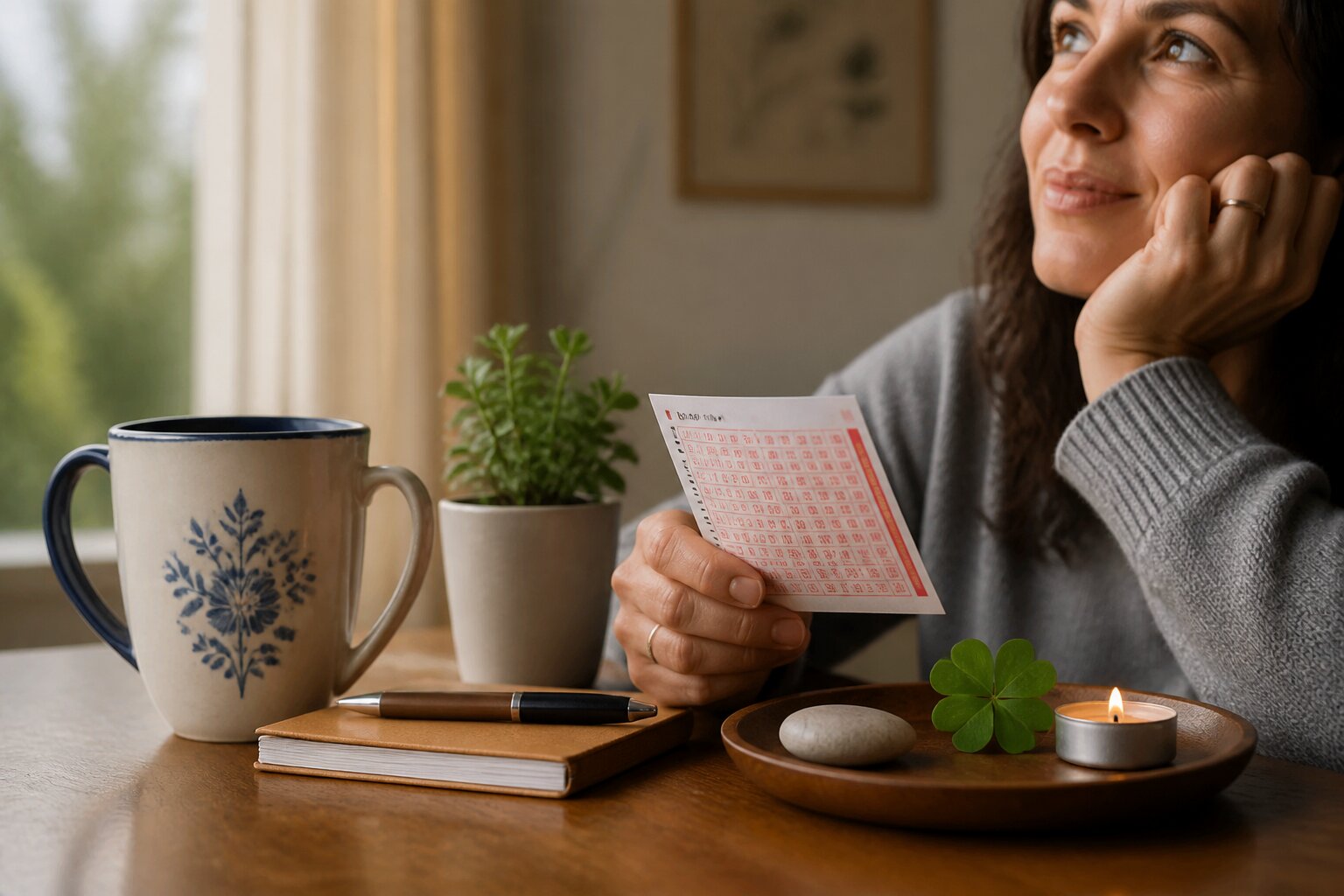
Have you ever had a strong feeling that this time might finally be different when you buy a ticket? Many people enjoy spotting patterns, following rituals or taking numbers from meaningful dates because it adds a personal touch to a routine purchase.
This article explores the beliefs and myths people attach to the lottery, showing where those ideas come from and how they stand up to how draws actually work. Read on to separate appealing stories from the way the game is run, and to see why so many habits have stuck around for generations.
What Are the Most Common Beliefs About Winning the Lottery?
People adopt a wide range of customs around number selection and purchase habits. Choosing birthdays or anniversaries is popular because it feels personal; others pick repeated digits they notice frequently, such as numbers on number plates or receipts. Some players favour visually neat patterns on the play slip, while a different group relies on numbers that appear in dreams or appear to recur in daily life. There are also persistent ideas that buying tickets from a shop that recently sold a winning ticket is more promising, or that returning after a break might somehow change the odds.
These practices create routines and stories that make the process more engaging, but none of them alter how a draw is conducted. The next section looks at the physical sensations and mental experiences that often accompany these rituals, and why they feel so convincing to many people.
Physical Feelings and Experiences: Do They Mean Anything?
People often link bodily reactions or vivid thoughts to the idea that a win is imminent. A sudden lift in mood, a moment of clear focus, or particularly vivid dreams about a win can all feel meaningful. These sensations stem from the excitement and anticipation of taking part, not from any connection to the mechanics of the draw itself.
Emotional responses are perfectly normal when you are hoping for a positive result. The brain can heighten sensations and attention when something important is expected, which makes those moments feel unusually significant. It is helpful to recognise that this is a psychological reaction, not evidence that the chances have changed.
Sudden Bursts of Energy or Happiness
Feeling excited before buying a ticket is a common human response to potential reward. The mind and body react to anticipation with increased heart rate or renewed energy; these reactions are part of normal emotional processing. While enjoyable, such feelings do not influence the outcome of a random draw.
Noticing these physical signs can be useful as a reminder to pause and consider decisions carefully. Enjoying the excitement is fine, but it is sensible to keep any spending or choices in line with your usual financial plan and limits.
Recurring Dreams or Visions
Dreams often reflect what occupies the mind. Repeatedly dreaming about numbers or winning may simply be an expression of hope or curiosity rather than a prediction. Interpreting these dreams as signals can make the act of buying a ticket feel more significant, but the dreams do not change the impartial way results are produced.
If dreams or visions lead to persistent urges to play, it can be wise to step back and check they are not driving behaviour you might later regret. Treating such experiences as part of normal imagination helps keep participation lighthearted and under control.
Keeping the experience enjoyable and not letting strong feelings drive choices helps preserve a clear perspective on participation. That balance leads naturally into how particular dates and events are treated as meaningful by many players.
Can Certain Events or Dates Really Predict a Win?
Many people prefer to play on birthdays, anniversaries or at symbolic moments such as the start of a new year. Positive life events, finding a coin or receiving good news are sometimes taken as a cue to buy a ticket. These moments can make participation feel timely or better aligned with one’s personal story.
From an operational point of view, however, the timing of a purchase does not change the mechanics of a draw. Each ticket enters a process designed to produce an impartial result, so no date or event alters a ticket’s chance. Treating certain days as special is an understandable way to add meaning to an otherwise routine activity, but it does not affect outcomes.
Understanding that dates are meaningful only on a personal level helps keep expectations realistic, which leads into why superstition has such a strong cultural pull.
The Role of Superstitions in Lottery Hopes
Rituals and objects—charms, a particular pen, or always visiting the same shop—offer structure and comfort. They can be family traditions passed down, or habits formed after hearing stories about a winner who did something similar. Superstitions provide a sense that one is taking part in a story, not merely placing a ticket into a system.
These customs are harmless when they remain light-hearted and affordable, but they do not interact with the random process that decides winners. Treating rituals as meaningful ceremony rather than practical strategy keeps them enjoyable without inflating expectations. The following section examines how media and culture reinforce such beliefs and why their portrayal matters.
How Do Media and Popular Culture Influence Lottery Myths?
Film, television and news tend to spotlight dramatic wins because those stories catch attention. Coverage that highlights sudden wealth or overshadows the far larger number of people who do not win can skew perceptions of how common big prizes are. Songs, adverts and fictional plots that depict a ticket as a turning point in life add to this impression.
Cultural representations are designed to entertain; they do not reflect statistical reality. Recognising the difference between storytelling and factual probability helps temper the impression that winning is imminent or that certain behaviours increase the chance of success. With that clarity in place, the next section will separate common myths from how the lottery actually functions.
Myth-Busting: Separating Fact from Fiction
Routines and stories can be engaging, but the procedures behind draws are built to be impartial. Random number generation and strict oversight ensure that each entry is treated the same, so patterns perceived by players do not indicate any genuine advantage. Independent audits and transparent rules are used to reinforce fairness, and operators are required to follow clear protocols to maintain integrity.
Understanding that systems are designed to be neutral helps set realistic expectations. This does not remove the enjoyment people get from rituals or superstitions, but it does clarify that such practices do not change the mechanics that determine outcomes.
The Truth Behind Emotional “Gut” Feelings
Strong instincts or a confident mood are part of how people experience chance-based activities, yet they remain subjective. Emotions do not alter the impartial system that determines results, so feeling certain about a ticket has no effect on the draw. Confidence can influence decisions, such as how much someone spends or how often they play, but it should not be mistaken for a predictive tool.
Recognising the difference between personal feeling and statistical reality can help people make more informed choices. Keeping play within set limits and treating it as entertainment reduces the risk of letting emotions lead to unplanned behaviour.
Misconceptions About Repeated Numbers
A common belief is that numbers that haven’t appeared recently are somehow “due” to come up, or that repeating the same numbers week after week will eventually pay off. In reality, every draw is independent: past outcomes have no bearing on future ones. Whether numbers have appeared recently or not, their probability in any single draw remains the same.
The idea of a number being overdue comes from how people interpret randomness, not from how random systems work. Appreciating the independence of each draw supports sensible play and prevents chasing patterns that do not exist.
Seeing through these misconceptions makes it easier to enjoy participation without expecting patterns to deliver a result. The next section explores how strong belief in a future win can affect thinking and behaviour.
Psychological Effects of Believing You Will Win
Belief in an imminent win can bring excitement and a mental lift, turning a small purchase into a moment of hope. For some, that uplift is a brief, positive diversion from routine. But when belief intensifies, it can change behaviour—encouraging larger or more frequent spending, or adding emotional weight to outcomes.
When expectations are out of proportion with actual chances, disappointment and financial strain may follow. Recognising how belief influences decisions helps maintain a healthier relationship with participation. Keeping play modest and affordable ensures it remains an enjoyable activity rather than a source of stress, which leads naturally into assessing whether signs should guide choices at all.
Should You Trust the Signs or Focus on the Odds?
Enjoying rituals or choosing numbers that have personal meaning is a valid way to make the experience more enjoyable, but those choices do not change the impartial nature of the draw. Each draw is random and independent, so past outcomes or personal patterns do not influence future results. Understanding that randomness helps set realistic expectations about what a ticket can and cannot deliver.
A clear understanding of how the system operates and of the statistical reality behind each ticket supports safer, more informed participation. Knowing the odds and the likelihood of different outcomes can help you decide how much to spend and what type of play suits you, while remembering that every ticket carries the same basic chance of success.
As the operator, we provide transparent information and encourage manageable play. We recommend practical steps such as setting spending and time limits, using self-exclusion tools if needed, and keeping play within a budget that does not affect everyday responsibilities. If the experience ever becomes more than a recreational activity, seeking support from appropriate organisations is important. Help is available through recognised gambling support services, which can offer confidential advice and practical assistance.
Conclusion: Understanding Why People Believe in Lottery Signs
Stories, routines and traditions give participation structure and make it part of everyday culture. They offer a way to personalise an impersonal process, turning a simple purchase into a shared narrative or private ritual.
At the same time, the draw itself remains a random, impartial procedure. Treating rituals as a source of enjoyment rather than as methods that influence outcomes keeps the experience balanced. Approached with clear expectations and sensible limits, taking part can stay a small, entertaining activity within a well-managed budget.
**The information provided in this blog is intended for educational purposes and should not be construed as betting advice or a guarantee of success. Always gamble responsibly.