If you enjoy online gaming, you may have tried both Slingo and slots. They share some surface similarities, but each offers a distinct way to play and different kinds of excitement.
This guide explains how the two formats differ in rules, pace, features and player appeal, so you can pick the style that fits you best. Read on to see what to expect from each game and how their design shapes the experience.
What Are the Basic Rules of Slingo and Slots?
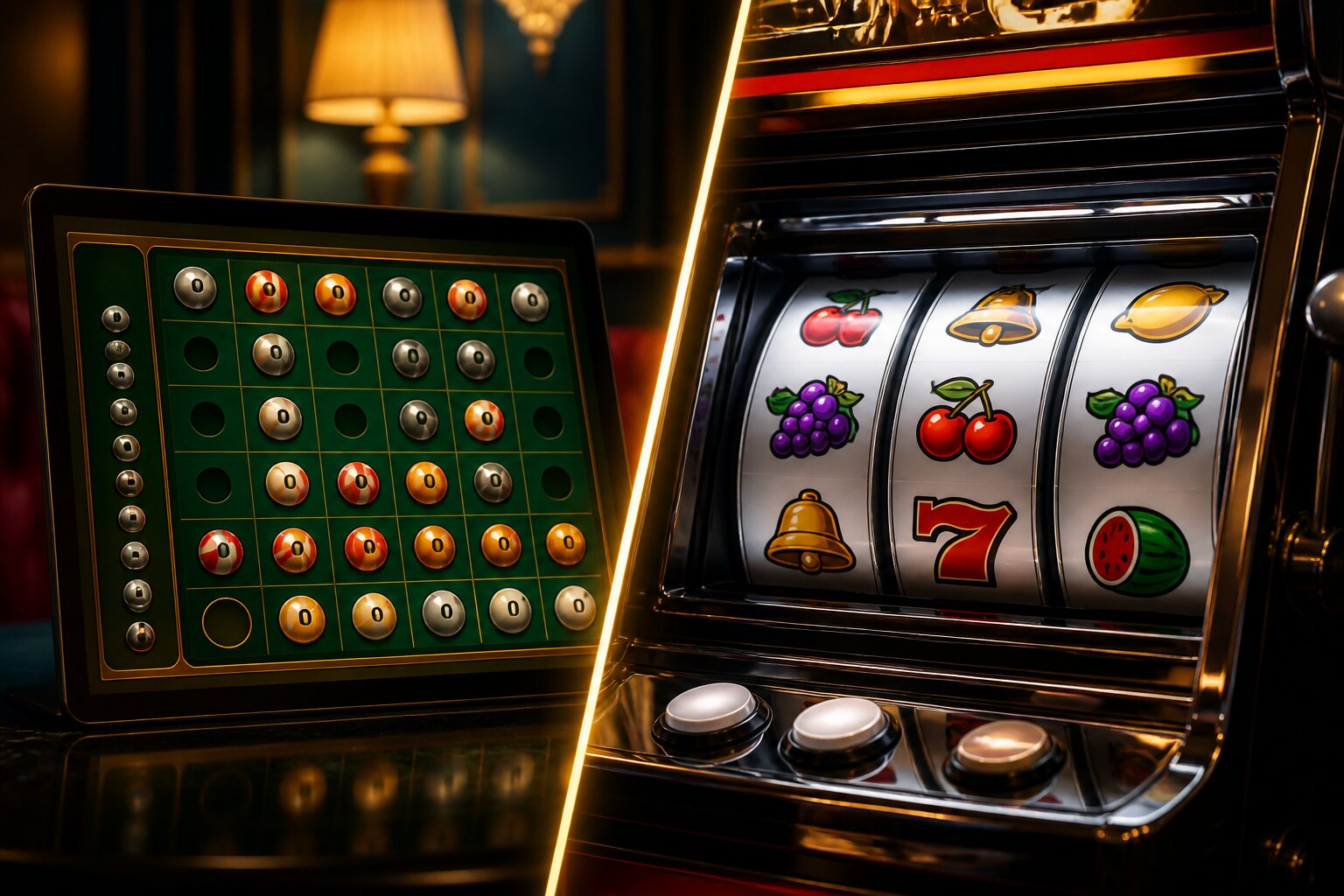
Slingo combines bingo and slot elements on a 5x5 grid. A single reel beneath the grid produces symbols or numbers that correspond to the columns above. When a value appears that matches a number in the same column on the card, that number is marked. The goal is to complete lines horizontally, vertically or diagonally; each completed line is called a Slingo. Most games give a fixed number of spins per round and include special symbols that alter the grid or grant extra spins.
Slots centre on a set of spinning reels filled with symbols. A spin stops to reveal a pattern of symbols across paylines. If matching symbols land on a payline in the required arrangement, a payout is made according to the game’s paytable. Titles vary by reel count, payline structure and bonus mechanics, but the basic interaction is the same: select a stake, initiate a spin and see the result.
These rule sets establish two different rhythms of play. The next section looks at how that rhythm affects the overall gameplay experience.
How Do the Gameplay Experiences Compare?
Slingo tends to be more measured and progressive. Rounds unfold over a series of spins, so there is a visible build as numbers are marked and features activate. Many versions layer mechanics such as jokers, nudges or purchasable extra spins, which gives players a sense of unfolding possibilities through a single round. That slower tempo suits players who like to watch a round develop and respond to in-game events.
Slots offer a brisk, immediate experience. Each spin resolves on its own, creating a steady flow of concise rounds. Visual and audio feedback is geared toward a rapid cycle of anticipation and resolution, while bonus rounds provide temporary changes of pace within an otherwise direct format.
Slingo requires attention to the grid and an awareness of remaining spins and active features, while slots focus attention on the reels and any triggered bonus sequences. If you prefer a game that evolves across a short session, Slingo often feels more engaging; if you favour short, self-contained rounds, slots deliver that clearly and efficiently. These differences also shape the variety of special features each format can host, which is explored next.
Core Features: What Sets Slingo Apart From Traditional Slots?
Slingo’s defining trait is the blend of a card-based grid with slot-style spins, producing hybrid mechanics not found in classic slots. That combination creates space for several distinct features.
One key element is grid-based goals. Because wins are tied to completing lines or patterns on the card, Slingo rewards strategic awareness of which numbers remain and what special symbols might help complete a line. Jokers are a common power-up and can mark any number in a column, while other extras might add wilds, instant rewards or extra spins. Some games offer the option to buy additional spins mid-round, introducing an in-game choice about whether to extend a session.
Traditional slots rely on symbol combinations, wilds and scatters, plus bonus features such as free spins, multipliers and pick-and-win rounds. Slots vary widely in structure, from fixed-payline classics to modern titles with multiple ways to win or cascading symbols. Progressive jackpot mechanics and multi-level bonuses are other ways slots broaden the potential returns and thrills.
Both formats deliver feature-rich variants, but Slingo’s card mechanics create a different kind of interaction than the pattern-based wins of slots. That distinction also affects the kinds of themes and variations available next.
Which Offers More Variety and Themed Options?
Slingo titles increasingly adopt familiar themes and tie-ins, often borrowing visual and narrative elements from slot games and popular culture. While the core grid-and-reel format remains consistent, designers vary the experience through different bonus systems, grid tweaks and thematic presentation. This means players can find Slingo games that feel like themed versions of the hybrid concept while retaining the same basic play loop.
Slots present a much broader landscape for themes and creative design. From classic fruit-machine motifs to elaborate branded titles based on films or television, slot developers explore a wide range of settings, characters and storytelling devices. Beyond aesthetics, slots also experiment with structural differences—varying reel layouts, payline mechanics and layered bonuses—so two slots can feel completely distinct from one another.
If you enjoy a strong thematic change with each title, slots generally offer greater variety. If you prefer the hybrid mechanics of Slingo with occasional thematic dressing, there are plenty of options that reshape the core format without altering its essential flow. With variety covered, the next section examines how interfaces handle these different designs.
User Interface and Accessibility Differences
Slingo screens typically display a 5x5 card with a reel or spinner beneath, plus clear indicators for marked numbers, remaining spins and active bonuses. Controls are arranged to make bet size and spin options easy to change, while visual cues highlight completed lines and special symbols. Accessibility features such as adjustable sound and readable text are common, and most Slingo layouts are designed to scale cleanly to mobile screens.
Slot interfaces centre on the reels and associated controls: stake adjusters, spin buttons and an accessible paytable. Paytables and help screens explain symbol values and bonus mechanics in plain language. Because slots come in many formats, some UIs include extra elements—ways-to-win displays, cascading symbol areas or progressive jackpot meters—but the main controls remain straightforward.
Both game types aim to be usable on phones and tablets, with responsive touch controls. Responsible gaming tools are integrated into the platform so players can set deposit and session limits and access support information from the game screen. Clear presentation and simple controls help both Slingo and slots remain approachable across devices. With accessibility considered, the next section looks at how payouts compare.
How Are Payouts and Win Potential Different?
Slingo payouts are linked to the patterns completed on the grid and the specific rules of each title. Paytables list rewards for single lines, multiple lines and full-card achievements, and may show how special symbols affect prizes. Slingo games usually display an RTP value to indicate the long-term theoretical return and list volatility so players understand whether wins tend to be smaller and more frequent or larger and rarer.
Slot payouts depend on symbol combinations landing on paylines or other winning arrangements. Paytables outline values for each symbol, plus rules for triggering bonus rounds and multipliers. Like Slingo, slots report RTP and volatility, but the range of RTPs and volatility profiles across slot titles is broader because of the variety of game mechanics and jackpot structures.
Both formats use random number generation to determine outcomes, and RTP should be viewed as a long-term statistical indicator rather than a promise for any single session. Understanding a game’s paytable and volatility helps set expectations about win patterns and can guide choices between more frequent smaller returns or less frequent larger payouts. Next, we’ll consider the social aspects of each format.
Is One More Social or Community-Focused Than the Other?
Slingo often incorporates social features that echo the communal feeling of bingo. Some versions include live chat or multiplayer elements, allowing players to interact during rounds, celebrate results and follow community leaderboards. That social layer can add a shared dimension to play, turning individual sessions into a collective experience.
Slots are typically designed for solitary play and rarely include in-game chat. The emphasis is on the player’s own session, the visuals and the bonus sequences, without direct interaction with others.
Players who value community and chat may gravitate toward Slingo, while those who prefer an uninterrupted solo session often choose slots. Both approaches have their place, so the choice comes down to whether social engagement is part of the entertainment you want. The following section outlines which audiences each format tends to attract.
How Do Slingo and Slots Appeal to Different Players?
Slingo appeals to players who enjoy a hybrid challenge: grid-based goals, incremental progression across a round and occasional social features. Its structure suits people who prefer a sense of developing strategy during a session and like to see how a round unfolds.
Slots attract players who favour immediacy and variety. The directness of single-spin outcomes, the breadth of themes and the diversity of mechanical formats make slots attractive to people who want a quick, self-contained experience with plenty of stylistic choice.
Both game types are designed for adults and offer different tempos and shapes of play, so personal taste in pacing, interaction and theme will usually determine which feels more satisfying. To finish, here is a concise summary to help make that decision quicker.
Gameplay and Features in Brief
Slingo mixes bingo-style grids with slot spins to create rounds that develop over several turns, often with power-ups and social options. Slots deliver fast, single-spin outcomes with a far wider range of themes and structural variations. Consider whether you prefer progressive, card-based play or quick, standalone spins when choosing between them.
**The information provided in this blog is intended for educational purposes and should not be construed as betting advice or a guarantee of success. Always gamble responsibly.