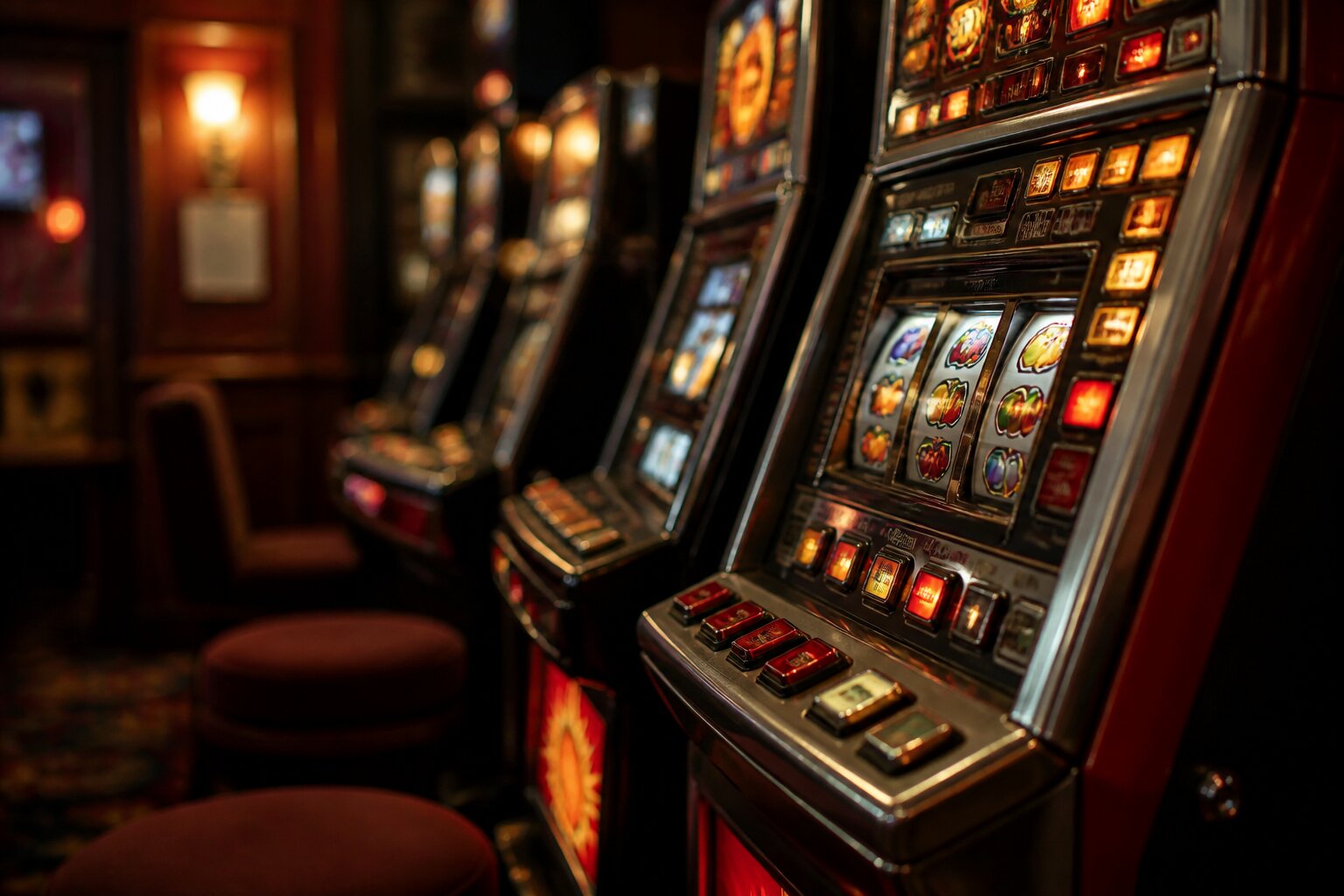
Walk into a seaside arcade or a traditional pub and you’ll spot the fruity symbols and spinning reels of the classic fruit machine. Travel further north and you might hear these same machines called “puggies,” a distinctive regional nickname with its own story.
This article traces how that name developed, where it’s used, and how it sits alongside other terms for the same machines, while keeping an eye on the cultural background that helped the word stick. Read on to uncover the origins and regional flavour behind a simple, everyday word.
The Meaning of 'Puggie': What Does the Word Refer To?
In Scottish slang, ‘puggie’ refers specifically to a fruit machine, the coin-operated game with spinning reels and bright symbols that you find in pubs, clubs and arcades. The word is particularly strong in Glasgow, Edinburgh, Dundee and other Scottish towns, and carries a friendly, conversational tone when locals talk about “putting a few quid in the puggie.”
The term marks a regional way of naming the machine rather than describing its mechanics. That local flavour helps explain why you’ll hear ‘puggie’ in casual speech in some parts of Scotland but not across the whole of Britain. Next, we’ll look into how this local name first came about.
Where Does the Term 'Puggie' Come From?
The origin of ‘puggie’ likely lies in Scottish working-class speech from the mid-20th century. One commonly cited theory links the word to a Romani term meaning “monkey,” which was sometimes used to describe nimble-fingered people. That playful association—between quick fingers and the action of pulling a machine’s lever—appears to have helped the nickname take hold among local players.
The word spread through everyday use in pubs and social clubs as these machines became common after the Second World War. Local newspapers and oral accounts from the 1960s and 1970s show the term appearing in reports and stories, tying it firmly to Scottish social life. With that background in place, it’s easier to see why the name endured where the machines were most familiar.
Regional Differences: Where Is 'Puggie' Most Commonly Used?
‘Puggie’ is most strongly associated with Scotland, especially urban centres in the central belt. It remains part of everyday speech in many communities, particularly in working-class pubs and clubs. As you move south, the word becomes rarer; northern English towns near the border might pick it up occasionally, but most of England, Wales and Northern Ireland use other terms.
The local use of ‘puggie’ reflects more than vocabulary alone. It signals a particular social setting where fruit machines were a commonplace form of low-stakes entertainment and social interaction. That social history helps explain why the name stayed regional rather than becoming national. The next section explores this historical relationship in more detail.
Historical Connections Between Fruit Machines and Puggies
Mechanical fruit machines arrived in British social spaces in the decades after the war, becoming fixtures in pubs, working men’s clubs and seaside arcades. In Scotland, these machines were quickly woven into everyday life; you would often find them tucked in a corner where people gathered to chat and pass the time.
Reports from the mid-20th century show puggies featuring in local stories, whether about wins, disputes or technical faults. Those mentions helped embed the name in local memory and gave it a place in community folklore. Over time the machines modernised and regulations changed, but the word remained part of the vocabulary in places where those machines had been most familiar. Having traced the roots and local history of the name, it’s worth considering the other words people use for the same machines elsewhere.
Other Names for Fruit Machines: A Look at Popular Alternatives
Across Britain and beyond, fruit machines go by many names that reflect either their appearance or how people use them. The most common alternatives are:
- Slot machine: A widely used term, especially in casinos and online gaming, referring to the slot where coins are inserted.
- Slots: A shorthand version often used in digital contexts.
- One-armed bandit: A traditional nickname referencing the lever on early machines and the idea that the machine can take players’ coins.
- Bandit: A shorter form of the same phrase, common in many parts of England.
- Pokies: The term used in Australia and New Zealand; rare in the UK.
- Amusements: A broader term used in seaside towns to describe a range of gaming machines, including fruit machines.
These alternatives illustrate how different regions and eras have shaped the language around the machines. With that linguistic variety in mind, it’s clear why ‘slot machine’ became the dominant formal term over time.
How Did 'Slot Machine' Become the Standard Term?
The rise of the term ‘slot machine’ in the UK followed legal and commercial changes in the late 20th century and the growing influence of international gaming terminology. The word is literal and practical, referring to the coin slot, and it moved into official use as regulations and industry language standardised. That shift was reinforced by the expansion of online gaming, where the term ‘slots’ became commonplace.
What Are Some Other Regional Nicknames?
Outside Scotland’s ‘puggie’, a few local variants survive: “bandit” or “spinner” in parts of northern England, “automat” occasionally heard in some cities, and the lingering “one-armed bandit” among older players. Yet in most places ‘fruit machine’ remains the straightforward, widely recognised phrase.
The Bottom Line: The Enduring Appeal of Fruit Machines
Fruit machines—whether called puggies, bandits or slots—have endured because they are simple, familiar and woven into social spaces where people meet. They carry a sense of continuity from mid-century arcades and pubs to modern leisure venues, and regional names like ‘puggie’ preserve a slice of local culture and speech.
If you enjoy playing, keeping personal limits helps make the experience positive for everyone. The history and language around fruit machines tell a fuller story than any single name: they show how everyday objects become part of social traditions and regional identity.
**The information provided in this blog is intended for educational purposes and should not be construed as betting advice or a guarantee of success. Always gamble responsibly.